
The Diabetes-Obesity-Metabolism Connection: Understanding the Impact Factor
-1140x300w.png "The Diabetes-Obesity-Metabolism Connection: Understanding the Impact Factor")
Introduction: The Vicious Cycle
Diabetes and obesity fuel a dangerous metabolic cycle. Being overweight frequently results in insulin resistance, which is a condition in which the cells in your body cease to respond well to the hormone insulin. In response, you are caused to release more insulin by your pancreas, thereby encouraging the storage of more fat and making it harder to lose weight. Such progressive insulin resistance may result in pre diabetes and type 2 diabetes. Positive changes in one condition are related to a beneficial outcome in the other; even a small amount of weight loss can be characterised by a significant rise in insulin sensitivity, and breaking this vicious circle can lead to overall health improvement.
The Metabolic Foundation: How It Works
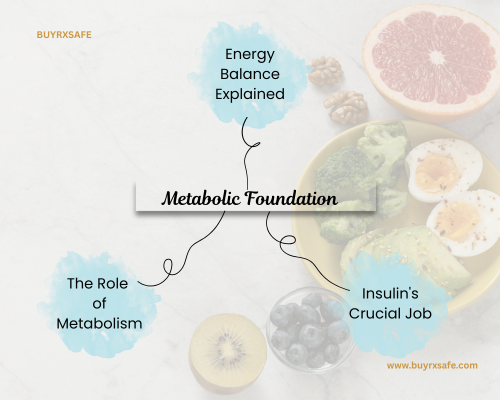
Energy Balance Explained
Energy is always needed by your body, and it is called calories, which are required to run all the processes inside and outside your body, like basic cellular life and physical exercise.
It is through the intake of food and drink that you obtain this vital energy; your body then metabolizes this energy into useful fuel.
You utilise this energy in your day-to-day activities, both involuntary functions such as breathing and intentional physical effort.
This is a process of consumption and spending that produces your energy balance.
The balance between these two forces is necessary to maintain a healthy weight.
Excessive intake of energy over expended results in weight gain, whereas chronic under intake causes weight loss.
The Role of Metabolism
The metabolism of your body actively transforms the food and drink that you ingest into energy that can be used to fuel all kinds of processes, including cellular restoration and physical activity.
This is the process that is referred to as your metabolic rate, and this differs greatly depending on the individual.
There are a number of the most important things that directly affect your metabolic rate, your muscle mass, age, genetics, and the level of physical activity.
Notably, people who are more endowed with muscle mass tend to consume more energy even when resting.
This means that a low metabolic rate may cause more difficulties in sustaining your weight, such that with the same caloric intake, the weight gain may be gradual with time.
Insulin's Crucial Job
Insulin is a crucial hormone that the pancreas secretes and carries out a number of critical functions. It is actively involved in the intake of glucose in your bloodstream into your cells, which then utilise this sugar to provide instant energy. This mechanism is effective in regulating and safe rate of blood sugar levels. Moreover, insulin sends a direct message to your liver and muscle cells to store their excess glucose as fat to be used at a later time. When these storage repositories fill up, the rest of the energy is turned into and stored as fat, as instructed by insulin, and is thus an essential hormone in the metabolism and management of fats.
Obesity's Toll on Metabolism
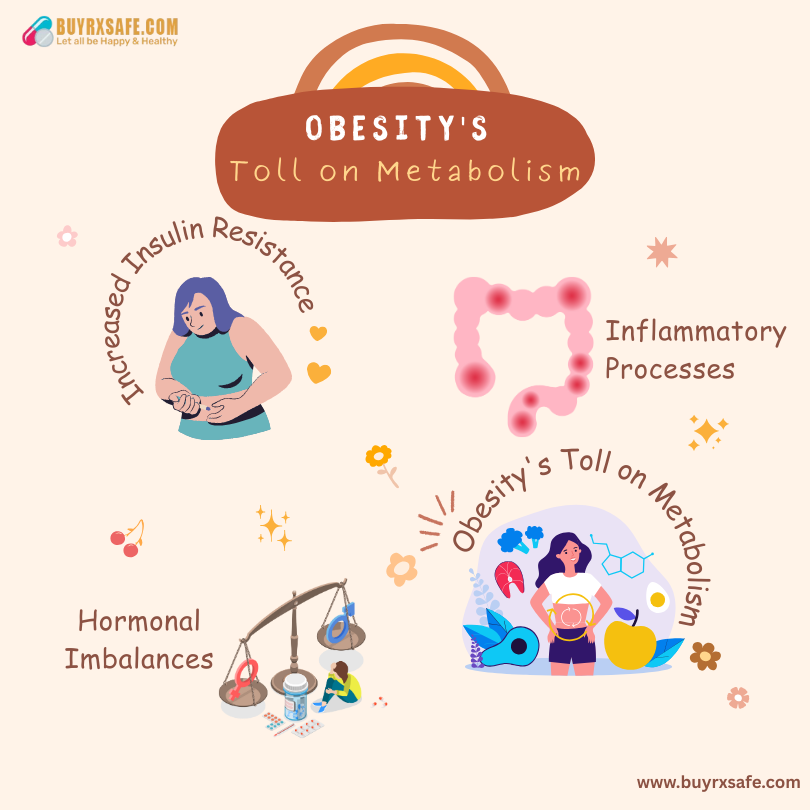 Increased Insulin Resistance
The presence of extra body fat actively disturbs the metabolism of the body. It essentially changes the way your cells interact with each other, and they become more resistant to the insulin hormone. This resistance to insulin makes your pancreas strain and produce more and more insulin in an attempt to regulate the level of sugar in the blood. In the long run, this cycle may be imbued by the whole system. The pancreas can become progressively unable to cope and resulting in a harmful increase in blood sugar, causing type 2 diabetes. It is also a metabolic disorder that favours a universal inflammation and puts extreme pressure on internal organs.
Inflammatory Processes
Obesity is an active inducer of body-wide chronic inflammation. This is because fat cells become enlarged and they leak pro-inflammatory chemicals, including cytokines. These substances are then forced into the blood, and they directly interfere with the metabolic mechanisms of the body. One of the major effects includes increased insulin resistance, in which cells are no longer able to respond significantly to insulin. This inflammatory condition also compromises the usual metabolic process, which forms a vicious circle that can cause tissue and organ damage. Finally, this process greatly predisposes the development of serious conditions, type 2 diabetes, and cardiovascular disease.
Hormonal Imbalances
Extra body weight actively interferes with the important hormonal messages that control your metabolism and appetite. It may cause a lot of leptin resistance, in which your brain does not respond to the hormone that signals when you are full, thus you always feel hungry. At the same time, being obese may raise the amount of ghrelin, the hormone of hunger, making you even more eager to eat. This hormonal imbalance creates a vicious circle of hunger and excessive calorie intake. As a result, your body sends a mixed signal to the body on how to store and use energy, actively encouraging further weight gain. This metabolic imbalance renders the maintenance of weight a serious physiological concern.
Diabetes's Metabolic Fallout
Type 2 Diabetes and Metabolism
Type 2 diabetes basically messes with your metabolism, starting with insulin resistance. Your cells are being stubborn and do not recognise the signal of insulin to allow glucose in to provide energy. Your pancreas, in turn, desperately overproduces insulin to make up. At some point, this organ is too tired and fails to meet the skyrocketing demand. Consequently, excessive sugar accumulates and circulates in your bloodstream. This maintained elevated blood sugar is gradually causing serious harm to essential body organs and nerves. This medical condition is strongly associated with obesity, whereby excess fat, especially in the abdominal area, strongly contributes to insulin resistance.
The Impact on Fat Storage
High sugar in the blood actively interferes with the normal metabolic processes of the body. It causes the pancreas to secrete an excess of insulin, which is a direct stimulator of fat storage. The procedure often results in massive fat in the abdomen and the liver, among other important body organs. This is a metabolically active visceral fat that produces compounds that further deteriorate insulin resistance. This vicious circle aggravates weight gain and the dysfunction of the metabolism. Therefore, blood sugar control is the most important way of breaking this loop and avoiding the serious effects of obesity.
Energy Depletion and Fatigue
In diabetes, your cells are unable to take up glucose in the blood, and hence, they starve. This basic energy imbalance directly leads to continuous and debilitating exhaustion. As a result, this deep exhaustion dramatically affects your ability to do everyday activities. The never-ending fatigue automatically decreases your general physical activity. The little movement you do burns very few calories in a day. This loop may lead to weight gain and make the management of blood sugar even more difficult, creating a challenging metabolic cycle.
The Interplay: A Shared Pathway
Genetics and Lifestyle Factors
Although there are some health conditions that people can be predisposed to, it is a lifestyle choice that determines their development. Family history is a possible risk factor, but everyday habit has a direct effect on the outcome. Regularly eating healthy food products helps in supporting the body's defences against sickness to a great extent. On the other hand, poor nutrition that consists of high levels of processed foods also contributes significantly to the issue. More so, exercise is essential in terms of keeping metabolism healthy. Sedentary lifestyle is one of the most significant, alterable risk factors that actively deteriorate wellbeing. Finally, the daily choices that people make proactively strongly interact with our genetic blueprint to influence how we will feel or be in the future.
Shared Biological Mechanisms
The two conditions are essentially caused by the failure of the insulin to work efficiently and effectively in the body, since it does not allow the body to control the amount of sugar in the blood. A condition of low-grade chronic inflammation that destroys tissues and exacerbates insulin resistance complements such dysfunction. In addition, the hyperplastic activity of fat cells, specifically in the visceral fat, produces a burst of inflammation chemicals and free fatty acids in the bloodstream. These are the three main pathways, namely, insulin resistance, inflammation, and dysfunctional fat metabolism, but none of them works on its own. They mutually support and worsen each other. The fixation of this vicious cycle gradually disrupts the whole metabolic system of the body and forms a common course of disease development.
Expert Insights and Statistics
Leading Researcher Quote
Top scientist Dr. Emily Carter underscores the importance of metabolic health as the key to preventing diabetes and obesity. She calls on us to be more specific in seeking to treat the underlying metabolic dysfunction itself. Such a proactive approach goes beyond symptom management to ensure the underlying causes of these interrelated conditions are addressed more efficiently in the long term.
Key Statistics
In the UK, the population with diabetes is over 12.2 million. One of the major causes of Type 2 diabetes is obesity, and it currently affects approximately 64% of adults in England. Moreover, metabolic syndrome affects millions of people and is a complex of conditions due to which the risk of a person developing heart disease and other serious health problems increases significantly. These allied statistics point to an important health care problem.
Taking Control: Actionable Takeaways

Healthy Eating Habits
Control your health with these basics of eating. The initial action is to put whole foods: fresh fruits, vegetables, and whole grains on the menu. Second, put in a serious effort to reduce your consumption of processed sugars and processed carbohydrates. Third, eat lean protein foods, such as poultry, fish, or legumes, to build and repair your body. Last but not least, pay attention to the amount of food you consume whenever you eat, so that you can sustain the amount of energy you take in and, in general, your well-being.
Regular Physical Activity
Every week, set aside at least 150 minutes for moderate-intensity exercise, such as brisk walking.
On two days that are not consecutive, include strength training activities for all of the major muscle groups.
Select the physical activities that you like doing because you need to be consistent.
Consistency in routine is more important than high-intensity activities at the onset.
Realise that this exercise directly makes your body work better in re-sensitising to insulin, and this will control your blood glucose levels.
Lifestyle Modifications
Make quality sleep a priority to achieve a regular, restful sleep every night.
Engage in active coping of your stress through effective methods such as meditation or mind breathing.
Actively seek the help and assistance of competent medical workers.
Think about metabolic testing to acquire individualized information about your own body chemistry.
Pay attention to making small but regular changes. These sustainable steps bring the greatest long-term outcomes.
Conclusion: A Path to Better Health
The first step to empowerment would be to understand that there is a strong correlation between diabetes, obesity, and your metabolism. The three conditions are closely interconnected and affect and further complicate one another in a vicious circle. The trick to ending this cycle is to work on your metabolic health. This is made possible through the simple changes in lifestyle that are sustainable. Eat healthily, exercise habitually, and get quality sleep. These proactive measures today will help you take charge of your health and create a base for a healthier and brighter tomorrow. Your journey to better health starts now.