
What is the Main cause of Erectile Dysfunction
Erectile dysfunction (ED) refers to the failure to attain or sustain an erection. It impacts millions of people across the globe, and it is usually related to physical factors such as inadequate blood circulation, nerve injuries, or hormonal dysfunctions as much as to psychological ones, such as stress. Effective treatment starts with understanding the underlying cause. Myths, including the age relation of ED, are to be countered.
What is the Main Cause of Erectile Dysfunction?
Erectile dysfunction (ED) disguises itself mainly in a combination of physical, psychological, and lifestyle causes. The physical factors comprise cardiovascular disorders, diabetes, hormonal disorders, and nerve damage, which affect the blood flow to the penis or nerves signaling to the penis. The sexual arousal and performance may also be interfered with by psychological factors such as stress, anxiety, and depression.
Poor lifestyle habits, including smoking, alcoholism, lack of physical activity, and obesity, also make the condition worse by aggravating the blood flow and general body health. In many cases, ED is caused by a complex of these factors, not by one problem. The treatment of health conditions underlying, the alleviation of mental health, and the implementation of healthier lifestyles can considerably decrease the likelihood of ED.
Common Causes of Erectile Dysfunction in Men
Physical Causes:
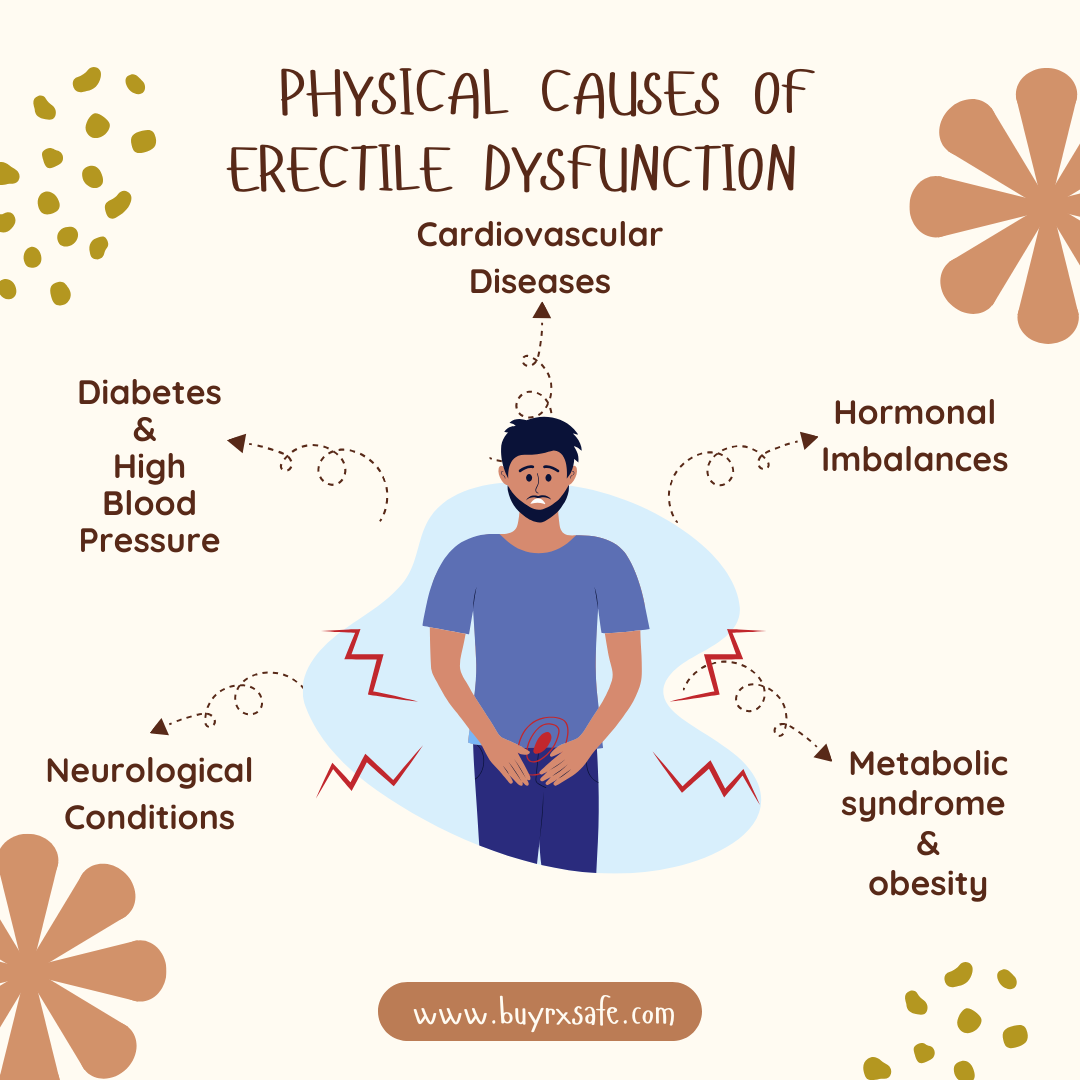
The most common cause is cardiovascular diseases, which is common among older men since it negatively affects the blood flow to the penis.
The risk is significantly increased when diabetes and high blood pressure damage the blood vessels and nerves.
Hormonal imbalances, especially low testosterone, decrease sex drive and performance.
Neurological conditions such as Parkinson's disease and multiple sclerosis disrupt nerve impulses necessary to produce erections.
Metabolic syndrome and obesity play a role in encouraging inflammation, poor circulation, and hormone imbalances.
Treatment of these underlying conditions will, in most cases, improve erectile function. ED can be managed or prevented by living a healthy lifestyle and consulting a doctor in good time.
Psychological Causes:
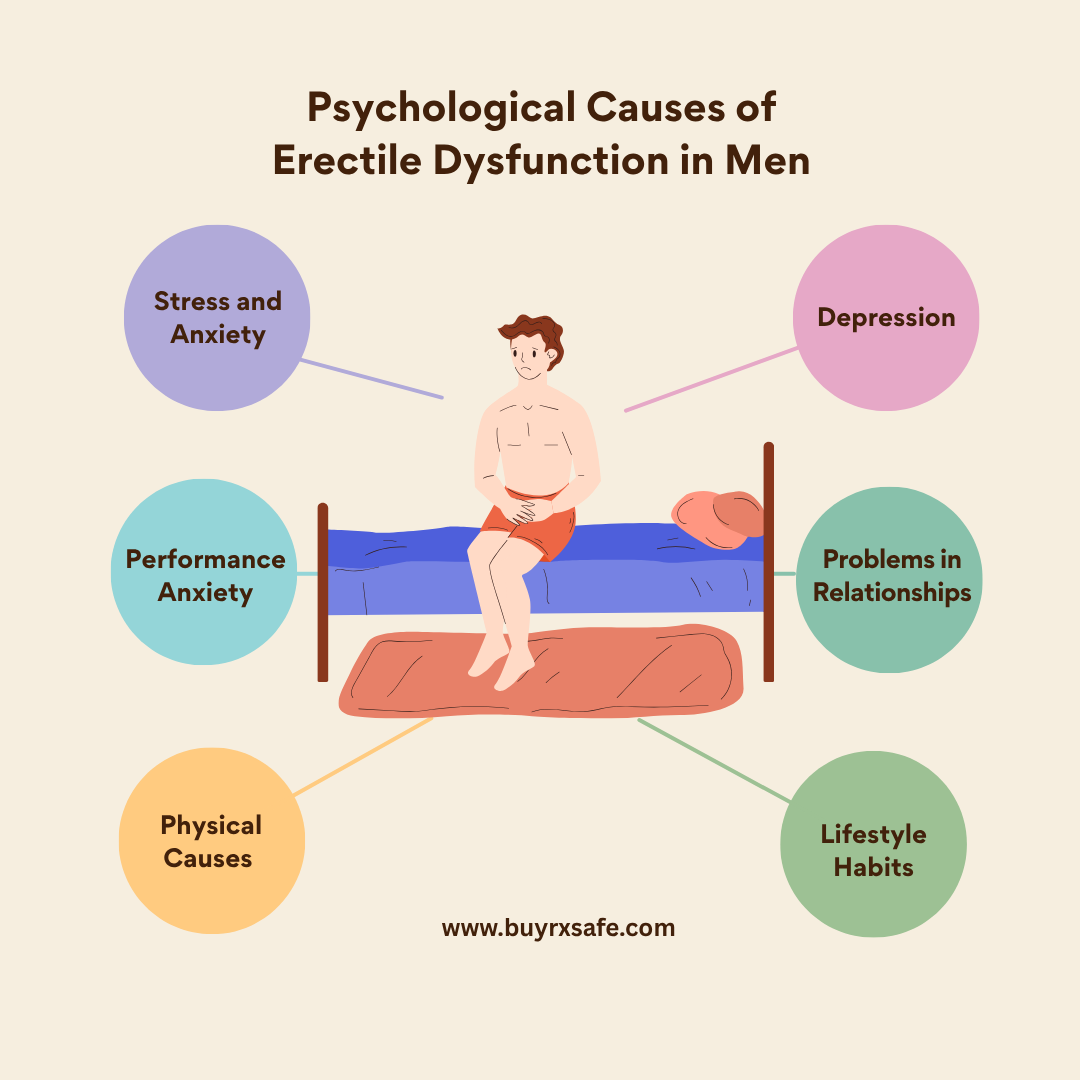
Stress and Anxiety interfere with hormone balance and blood flow, and it becomes challenging to get or maintain an erection.
Depression decreases the libido and suppresses sexual desire, which in most cases results in erectile problems.
Performance Anxiety results in the fear of sexual failure, which aggravates erectile dysfunction with time.
Problems in Relationships that lead to emotional stress and sexual dysfunction include a lack of communication or conflict that is not resolved.
Psychological causes are usually accompanied by physical ones, such as diabetes, heart disease, or obesity, which makes the problem more complicated.
The risk is further increased by lifestyle habits, which include smoking, excessive alcohol, and failure to exercise.
Psychological and physical aspects of sexual health are enhanced through tackling both aspects. Erectile dysfunction can be managed by seeking professional assistance, such as therapy or medical care.
Lifestyle Factors:
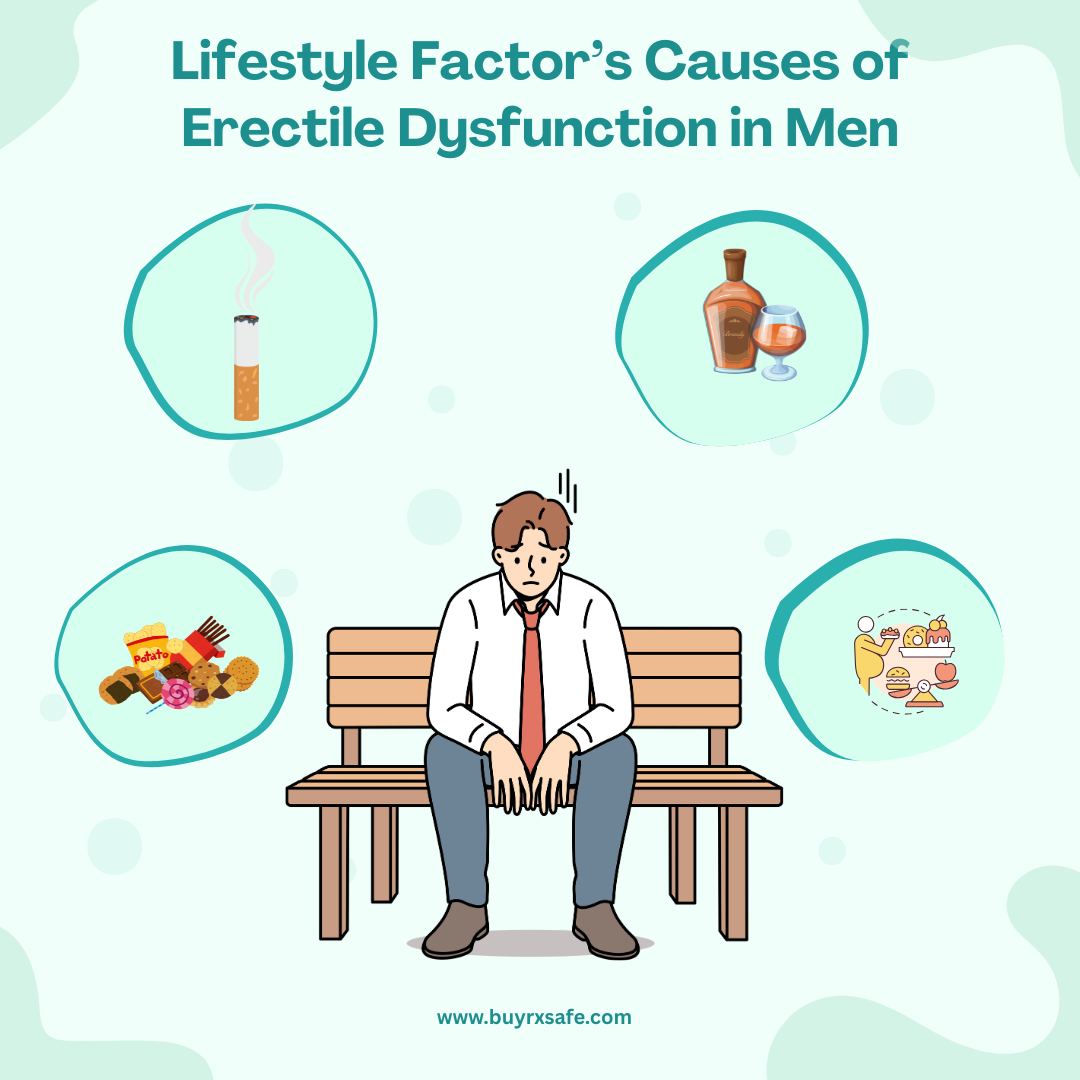
Smoking and Alcohol Abuse: Smoking extensively damages the walls of blood vessels, thereby constricting blood flow to the penis. Heavy imbibing impairs nerve functioning and depresses testosterone levels.
Poor Lifestyle: This refers to all forms of physical inactivity. The resultant obesity can cause poor circulation and vascular problems, all of which contribute to erectile dysfunction.
Poor Diet: Processed foods with their high sugar and destructive fat content pave the way for erectile dysfunction issues by putting one at risk of diabetes, hypertension, and cholesterol problems.
Further improvement in erectile function can be made by adopting healthy habits, such as cessation of smoking, regular exercise, and healthy eating.
What is the Cause of Erectile Dysfunction in Young Men?
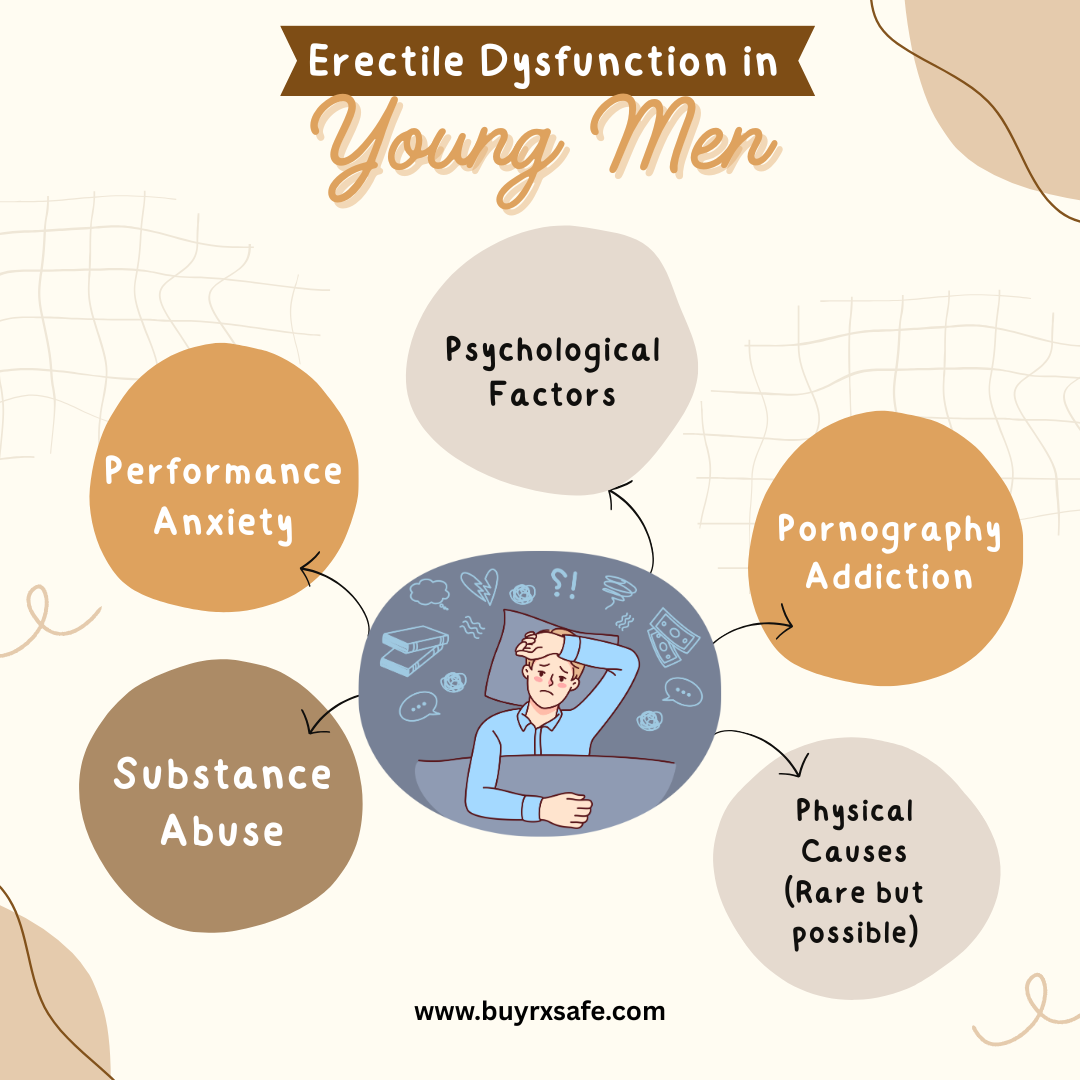
Psychological factors: The leading cause of ED is stress, anxiety, and depressive disorders in males aged 20-30. These conditions affect sexual performance.
Pornography Addiction, (PIED): Too much porn is harmful to the brain. It can cause it to become desensitised and make real-life arousal more difficult.
Performance Anxiety: A fear of failing to perform or relationship issues can set off ED and create a stressful cycle.
Substance Abuse: Heavy alcohol consumption, smoking, or the use of recreational drugs affects blood flow and nerve functioning, resulting in ED.
Physical Causes (Rare but possible): Diabetes, low testosterone, and injuries are all factors that can contribute to the problem. However, this occurs less frequently in younger males.
Mental health can help improve erectile function. Consulting a doctor will help eliminate medical problems.
Root Cause of Erectile Dysfunction (Eric Brown's Perspective)
Holistic and Psychological Focus: Eric Brown emphasises ED's psychological and holistic focus. Stress, anxieties, and past traumas can affect the body-mind connection. Sexual dysfunction results.
Subconscious Beliefs and Trauma: Deep-seated thoughts about masculinity, pressures to perform, or traumas from childhood can be the cause of mental barriers. These patterns subconsciously trigger feelings of shame or guilt and thereby sabotage arousal.
Mental Blocks and Sexual Dysfunction: Mental blocks and sexual dysfunction. Negative thought patterns, such as self-doubt and fear of failure, cause the nervous system to activate its stress response. This inhibits blood flow and causes an erection. Brown explains that overcoming ED means rewiring the mental blocks with therapy, mindfulness, and emotional healing.
Mind/Body Integration: By integrating mental and physiological states, the mind-body integration restores normal sexual function. Brown's approach emphasises inner healing rather than quick fixes.
The Most Common Drug Causing Erectile Dysfunction
Antidepressants (SSRIs): Antidepressants, such as SSRIs, often cause erectile dysfunction (ED) by reducing libido. This drug's effect on serotonin can decrease sexual desire and even performance.
Blood Pressure Medications: These medicines can result in ED since they lower testosterone levels and reduce blood flow. It is known that these drugs weaken erections and decrease sexual endurance.
Hormonal treatment: Some anti-androgens and prostate cancer medication reduce testosterone. This has a direct impact on erectile function and sexual motivation.
Recreational Drugs: Smoking or drinking marijuana is not the only drug that causes ED. Long-term drug abuse can worsen ED.
You should discuss with your physician possible remedies if you suffer from ED caused by medication. Altering your diet and way of life may help.
Age-Specific Causes of Erectile Dysfunction
In Your 20s & 30s: The causes of stress, anxiety, and depression for 20-30 year olds. They can include excessive porn but also bad lifestyle choices such as excessive smoking, excessive drinking and lack of activity.
In your 40s: Physical problems will become more noticeable as you reach your forties. Diabetes, high blood pressure, or weight gain can affect your nerves, blood flow, and other bodily functions.
In Your 50s & Beyond: This can include diabetes, chronic illnesses (heart disease), and other chronic illnesses as we age. ED or medication-related side effects are both common.
Early intervention-through therapy, lifestyle changes, or medical treatment--can help manage ED effectively at any age.
5-7 Major Causes of Erectile Dysfunction
Low blood circulation: Vascular diseases, like atherosclerosis reduce the flow of blood in your penis. You may find it harder to maintain or obtain an erection.
Damage to Nerves: Diabetes or surgery performed on the pelvis area can damage nerves that control erections. Signals from the brain are affected, causing erections to be disrupted.
Mood Imbalances: A low testosterone level can affect sexual desire. Other factors, such as thyroid disease, may also contribute.
Psychiatric factors: Problems with relationships, stress, and anxiety interfere with sexual arousal and performance.
Lifestyle: Excessive alcohol consumption, obesity, and smoking weaken the vessels. Other chronic conditions, such as kidney and MS, can make this problem worse.
Addressing these issues by way of therapy, medical treatments, and lifestyle modifications can help improve erectile dysfunction.
What is a Major Cause of Sexual Dysfunction? (Quizlet-Style Summary)
A mixture of physical, mental, and lifestyle factors causes sexual dysfunction. Chronic illnesses like diabetes, heart disease, hormonal imbalances, and drug side effects are also physical causes. Anxiety, stress, and conflict in relationships are all mental factors. Smoking, drinking too much alcohol, using drugs excessively, eating poorly, not exercising, or smoking tobacco are all lifestyle factors. The nerves and emotions are affected by these factors, which could lead to erectile problems, low libido, or problems with arousal. The treatment of the underlying condition can reduce symptoms.
Is Erectile Dysfunction Common?
Erectile dysfunction (ED) is not as rare as most people think, and it is more prevalent as people get older. ED first manifests itself in men as early as the age of 40, when approximately half of them experience some degree of ED, and by age 70, it is almost 70%. Although being aged is a major contributor, health conditions such as diabetes or heart disease, and lifestyle also contribute to them.
It is essential to normalise the talk about ED since a large proportion of men do not resort to seeking help because of the stigma. Productive dialogue with medical practitioners may result in efficient medicines, systematic changes, and improved living. Keep in mind that ED is a health condition, not a measure of masculinity, and tackling this issue early works out well in terms of living standards.
Leading Causes of Male Impotence vs. Female Sexual Dysfunction
Male impotence (ED): Most of the causes of male impotence (ED) can be put down to physical causes such as heart disease, diabetes, and hormone problems (e.g., low testosterone). It may also be caused by psychological stress and relationship problems.
Female Sexual Dysfunction: The causes of female sexual dysfunction are mostly related to hormonal changes (e.g., menopause, pregnancy), psychology (e.g., anxiety, depression), and relationship conflicts (e.g., lack of intimacy, communication problems). Possibly even physical ones, such as endometriosis or trauma in the pelvis.
Both have similar psychological and relational factors, but the male ED has a greater leaning towards physical causes, whereas in females, there is a greater tendency towards hormonal causes. Both are important in solving underlying emotional and health-related factors.
What Affects Erectile Dysfunction?
Sleep Deprivation: Lack of good sleep lowers testosterone levels in the body and also hinders blood flow, which has a direct impact on erectile ability.
Chronic Stress: High stress enhances cortisol, resulting in an imbalance of hormones, hence reducing the blood flow to the pelvic region.
Pelvic Floor Dysfunction: Cases when pelvic muscles are either too weak or too dense will impede the normal blood circulation and nerve activity in the region, which contributes to the problem of ED.
Pornography Overconsumption: Overuse may mean the brain is used to fake stimuli; therefore, it is hard to get roused by its true equivalent.
These issues can be dealt with improving the sleep, reducing stress, pelvic exercises and the controlled consumption of porn, which would do wonders to their erectile health. It is recommended to go to a doctor with a prolonged problem.
What is the Main Cause of Erectile Dysfunction Treatment?
Addressing underlying causes (medical, psychological, or lifestyle-based)
Medical conditions such as diabetes, heart disease, or hormonal disorders are managed using drugs, hormone therapy, or surgery.
Causes of psychological problems, like stress or anxiety, are treated by counselling or therapy.
Such lifestyle issues as smoking, obesity, or lack of exercise can be corrected with the help of diet, physical activity, and abandonment of these bad habits.
Adjustments on drugs are redirected to aid in case the ED is a side effect of some medicines.
Common treatments:
PDE5 Inhibitors (Viagra, Cialis): PDE5 Inhibitors enhance blood flow to the penis ensuring the attainment of erection and maintenance.
Testosterone Replacement Therapy: ED may occur as a result of low testosterone hormone levels; such therapy balances the hormone levels.
Psychotherapy & Counselling: Stress, anxiety, or depression is a persistent causative factor that leads to ED; therapy removes psychological triggers.
Lifestyle Interventions: Moderate dieting, regular practice, and abstinence from smoking complement cardiovascular health, making erectile function better.
The cause of ED is either physical, mental, or lifestyle. The cause determines therapy and involves the use of both medication and treatment, as well as healthy practices to yield results. The earlier the diagnosis, the higher the chances of success.
Conclusion
ED is caused by a combination of physical, mental/psychological, and lifestyle conditions. With many physical causes, such as heart disease, diabetes, or hormonal imbalances, a leading role, stress, anxiety, or depression may exacerbate the condition. Unhealthy lifestyles, poor eating habits such as smoking, excessive alcohol, or lack of activity, are also a source. Because ED is often caused not only by a single factor, a comprehensive treatment is crucial. In case of persistence of symptoms, a doctor should be consulted to be able to define the actual reason and seek a customised approach to improved sexual health.