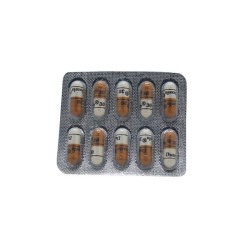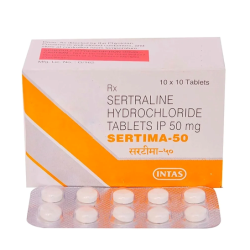
Sertraline 25mg (Sertima)
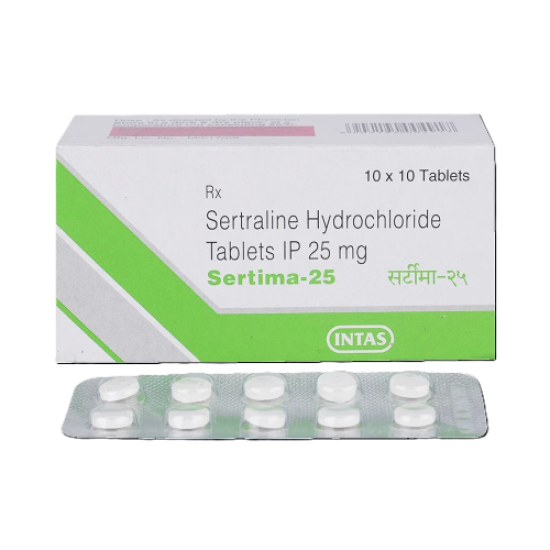
- Stock: In Stock
- Brand: Intas Pharmaceuticals Ltd
- Model: Sertima 25 Mg
- SKU: STM25
- Active Ingredient: Sertraline
- Treatment: Mental Health
- Alcohol: Do not drink
Available Options
Introduction to Sertraline
Sertraline, in particular, sertraline hydrochloride, is a very common antidepressant in the SSRI genre, and it is a medicine mostly given out by doctors. Serotonin was the transmitter at the centre of the whole mood and anxiety management thing. The brand names can vary from Zoloft to several generics, such as Sertraline, Sandoz and Apo Sertraline. Major depressive disorder is the main indication for the selective serotonin reuptake inhibitor in medical practice. Besides, it is also a good option in the case of OCD, PTSD, and panic disorder, relieving their symptoms to a great extent.
Understanding Dosages: Why Start with Sertraline 25mg?
To increase the tolerability, doctors start sertraline at 25mg. This slight amount causes the body to slowly get used to the drug, thus very much reducing the initial adverse effects like nausea or restlessness, which is quite important for patients with anxiety or children.
After the introductory period, the dose is usually increased to the normal 50mg or 100mg per day for maintenance, which is the therapeutic area for most adults suffering from depression or anxiety disorders.
The highest dose could be 200mg a day, but any change in dosage has to be done very carefully under a doctor’s supervision so as to protect the patient and get the desired result.
Typical vs. Optimal:
Generally, we start sertraline treatment with a low dosage of 25mg, so that your body can gradually adapt to the drug, and initially, side effects will be less.
The best dosage for anxiety treatment is very personal, found out by careful observation and modifying the dose.
On the other hand, 50 mg daily is considered a maintenance dose for a lot of patients, yet still, your perfect dose could be either lower or higher.
The right dose is actually the least that can still efficiently alleviate your anxiety symptoms without causing significant side effects, and it is mutually decided with your physician.
To improve the tolerability, a low dose of 25mg is usually used to start sertraline by doctors. Adults are most commonly limited to 200mg per day, which is the maximum dose at which toxicity is prevented, and in addition, ensures safety.
Efficacy and Timeline: What to Expect
You could see minor changes in physical signs, such as sleep or food cravings, in 1-2 weeks.
On the other hand, a gradual, positive effect on mood and major emotional symptoms usually lasts for 4-6 weeks.
In the case of anxiety, relief might be felt in 1-2 weeks, but the full effect of therapy will also be felt after 4-6 weeks or more.
Side Effects and Management
General Side Effects: A majority of users report nausea, light-headedness, or sleeplessness in the beginning. These reactions are very often mitigated as the body goes through the adjustment phase in about three weeks.
Managing Fatigue: Definitely, sertraline causes excessive fatigue, particularly during the initiation of therapy. To decrease this, ensure that you take your dose in the evening and maintain a sleeping schedule. Fatigue that comes with treatment usually gets better with time.
Addressing Weight Changes: Results regarding weight gain are equivocal. Sertraline may cause minor alterations in metabolism, although any severe weight gain is not typically caused by the medication but is simply a result of the fact that the drug has allowed the patient to regain his or her appetite as depression fades. It is also recommended to ensure that you monitor your diet and exercise.
Interactions and Lifestyle Precautions
Alcohol Consumption:
While on sertraline, stay clear of alcoholic drinks. The mixture of the two can herald the coming of extreme drowsiness and dizziness, which is a pretty dangerous situation.
On top of that, the alcohol may lessen the effect of the drug so that the patient's treatment is delayed.
The combination of both substances confuses the mind and influences the movements, thereby enhancing the likelihood of accidents occurring.
Dietary Restrictions: It is advisable to avoid grapefruit or its juice when taking sertraline, as it might interfere with the enzyme that the drug is supposed to be metabolised by, leading to the individual, instead, having an increased number of side effects or even developing drug toxicity.
Pregnancy: As for pregnancy, sertraline belongs to Category C drugs. Have a complete risk-benefit discussion with your physician since untreated depression has its own hazards. Do not make any changes to this medicine during pregnancy without a doctor's supervision.
Comparisons and Alternatives
Fluoxetine vs Sertraline: A comparison section.
Similarities: Both are SSRIs, both of which are effective in the treatment of depression and anxiety conditions through the enhancement of serotonin levels in the brain.
Differences: Fluoxetine is a much more energising drug with a very long half-life, so it is more appropriate in the daytime. With a lower half-life, Sertraline is more likely to be more sedating and is frequently administered in the evening.
Clinical Choice: A physician can opt to use Fluoxetine due to its activating effect or because the patient has a problem with medication adherence. They may give more preference to Sertraline with its broad-based anxiety approval and higher tolerance.
Conclusion
A 25mg dose of sertraline is a good strategic and mild introduction to treatment. Your body can progressively adapt to the medication with this low starting strength, which can go a long way in reducing side effects that occur at the start. This cautious practice will assist you in developing tolerance as your physician oversees your reaction, preparing a more direct route to determining your optimal dose of medication. This is a preliminary step to controlling symptoms more stably and confidently.
Disclaimer: This is educational information. One should never change their dosage or regimen of the medication without consulting a physician who has prescribed it to them. Do not begin, discontinue, or change your medicine without their direct medical supervision.