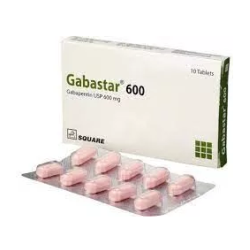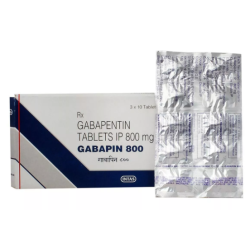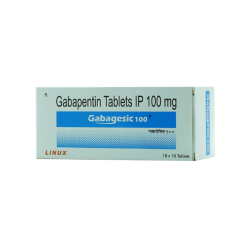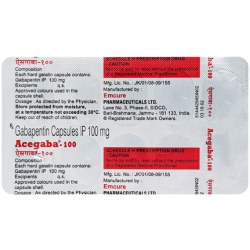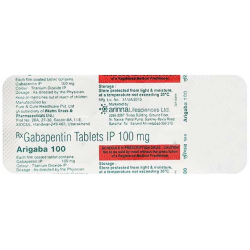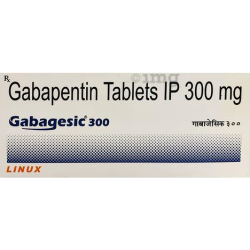
Gabapentin 300mg
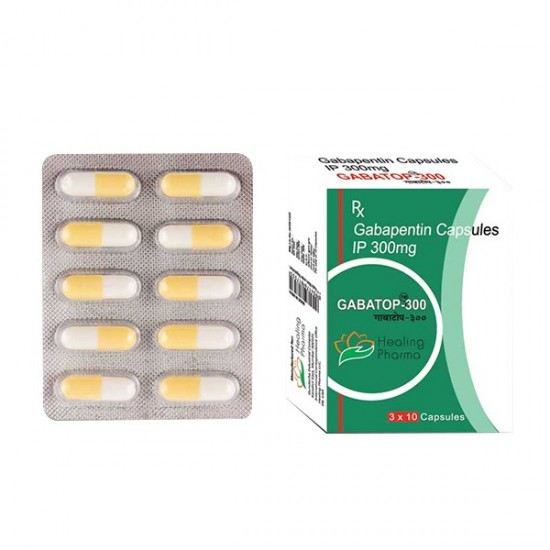
- Stock: In Stock
- Brand: Healing Pharma
- Model: Gabapentin 300mg
- SKU: GBPTN300mg
- Active Ingredient: Gabapentin
- Treatment: Pain Releif
- Alcohol: Don't Drink
Available Options
What is Gabapentin 300mg?
Gabapentin 300mg is an oral medication containing the active ingredient gabapentin, available in capsule or tablet form for easier dosing. Gabapentin is an anticonvulsant drug or antiseizure medication intended to stabilize abnormal electrical activity in the brain and decrease nerve irritability in the process. Gabapentin 300mg helps in controlling seizures, but it is also widely used to manage nerve pain, addressing pain associated with diabetic neuropathy, postherpetic neuralgia, spinal injuries, and other neurologic conditions, as well.
How Gabapentin Works
Mechanism of action:
Gabapentin binds to voltage-gated calcium channels in the central nervous system to regulate the release of excitatory neurotransmitters.
Calming overactive nerve signals:
Reducing excessive nerve activity helps stabilize irritated or damaged nerves.
Reducing seizure activity:
It decreases abnormal electrical firing in the brain, making it effective for controlling seizures.
Mechanism of action:
Gabapentin binds to voltage-gated calcium channels in the central nervous system to regulate the release of excitatory neurotransmitters.
Calming overactive nerve signals:
Reducing excessive nerve activity helps stabilize irritated or damaged nerves.
Reducing seizure activity:
It decreases abnormal electrical firing in the brain, making it effective for controlling seizures.
Gabapentin 300mg for Neuropathic Pain
Neuropathic pain, a burning, tingling, or electric shock-like sensation caused by damaged nerves, can significantly impact daily life. Fortunately, medications like Gabapentin offer relief for some sufferers. Gabapentin affects how nerves transmit pain signals, helping to reduce the intensity and frequency of pain periods.
Gabapentin 300 for Peripheral Neuropathy
Peripheral neuropathy, a condition causing pain in the hands and feet, can be managed with medications like Gabapentin. These medications modulate nerve pain signals, reducing the intensity and frequency of pain. However, their effectiveness varies for different types of neuropathy and may not be a universal solution. Side effects like dizziness and drowsiness should be considered.
Managing Caesarean After-Delivery Pain
While a C-section brings new life into the world, it's also a major surgery with post-delivery pain being a common hurdle. Thankfully, there are various approaches to managing this discomfort, and Gabapentin can be a valuable addition to your pain management plan.
Understanding Gabapentin's Role:
Gabapentin is a medication typically used for neuropathic pain, but it's increasingly used as part of a multimodal pain management strategy for C-sections. It affects how nerves transmit pain signals, potentially reducing their intensity and frequency. This translates to a potential decrease in the overall pain you experience after surgery.
Gabapentin 300 mg in Anesthesia: Uses and Benefits
Gabapentin 300 mg which is used for, a complex topic, can provide potential benefits in a multimodal approach to pain management during surgery, although not typically used as a primary anesthetic.
Uses:
Preoperative Anxiety: Some studies suggest Gabapentin might help reduce preoperative anxiety in some patients.
Postoperative Pain Management: Gabapentin can be used as part of a multimodal approach to manage pain after surgery. It may help to:
- Reduce overall pain intensity
- Decrease reliance on opioid pain medications, which can have stronger side effects
Benefits:
Potential for Reduced Opioid Use: As mentioned above, Gabapentin may help lower reliance on opioid pain medication after surgery. This can be beneficial because opioids can cause side effects like drowsiness, constipation, and nausea.
Improved Pain Control: Research suggests that Gabapentin, when used alongside other pain medications and techniques, can lead to better overall pain control compared to traditional methods alone.
How Gabapentin 300 Works in the Body
Benefits and Side Effects of Gabapentin 300 mg
Gabapentin 300 mg offers several benefits:
- Pain Relief: Gabapentin is particularly effective for managing neuropathic pain, which can arise from nerve damage due to conditions like shingles, diabetes, or injuries. It works by modulating nerve signals, potentially reducing their intensity and frequency, leading to a noticeable decrease in perceived pain.
- Reduced Opioid Reliance: In some cases, Gabapentin can help lower dependence on opioid pain medications, which can have more severe side effects like constipation, drowsiness, and respiratory depression.
- Convenient Dosing: Unlike regular Gabapentin requiring multiple daily doses, the extended-release formulation allows for once-a-day administration, improving medication adherence for many patients.
However, it may also cause side effects such as:
- Dizziness, Drowsiness, and Fatigue: These are common side effects of Gabapentin, especially when starting the medication or increasing the dosage. Be cautious when driving or operating machinery if you experience these effects.
- Cognitive Impairment: Some people may experience difficulty concentrating, memory problems, or confusion while taking Gabapentin.
- Balance Problems and Coordination Issues: The medication can affect balance and coordination, increasing the risk of falls. Be extra cautious, especially for older adults.
- Other Potential Side Effects: Gabapentin can cause nausea, vomiting, dry mouth, and mood swings in some individuals.
Dosage Guidelines and Administration
Maximum dose of gabapentin 300mg varies depending on the condition being treated and individual response. It is typically started at a low dose and adjusted gradually to achieve optimal pain control while minimizing side effects.
Precautions and Considerations
- Disclose any allergies to Gabapentin or other medications.
- Discuss any history of mental health conditions like depression or suicidal thoughts. Gabapentin may increase these risks in some individuals.
- If you have epilepsy or a history of seizures, inform your doctor. Gabapentin might interact with other seizure medications.
- Discuss pregnancy plans or if you're breastfeeding. The safety of Gabapentin during these times is still under investigation.
- Gabapentin is eliminated from the body by the kidneys. If you have kidney problems, your doctor might need to adjust the dosage or monitor your kidney function more closely.
- Gabapentin, especially when combined with other medications like opioids, can increase the risk of respiratory depression, a serious condition where breathing slows down.
- Gabapentin can cause dizziness, drowsiness, and impair coordination. Be cautious when driving, operating machinery, or engaging in activities requiring alertness.
- In rare cases, Gabapentin might have a potential for abuse or dependence. Discuss this with your doctor if you have a history of substance abuse.
- Inform your doctor about all medications (prescription, over-the-counter, or herbal supplements) you're taking. Gabapentin can interact with some medications, altering their effectiveness or increasing side effects.
- Abruptly stopping Gabapentin can lead to withdrawal symptoms like anxiety, insomnia, and seizures. It's crucial to taper off the medication gradually under your doctor's supervision.
User Experiences
FAQs
1. Is gabapentin 300 mg addictive?
Ans : No, gabapentin is not considered addictive, but it should be used as prescribed to avoid dependence.
2. Can gabapentin 300 mg be used for anxiety or depression?
Ans : Gabapentin is primarily used for managing pain and certain neurological conditions. It is not typically prescribed as a first-line treatment for anxiety or depression.
3. How long does it take for gabapentin 300 mg to start working?
Ans : Gabapentin 300 mg may start providing pain relief within a few hours to a few days after starting treatment, depending on the individual.
4. What should I do if I miss a dose of gabapentin 300 mg?
Ans : If you miss a dose, take it as soon as you remember. However, if it's almost time for your next dose, skip the missed dose and continue with your regular dosing schedule.
5. Are there any food interactions with gabapentin 300 mg?
Ans : Gabapentin can be taken with or without food, as food does not significantly affect its absorption or effectiveness.