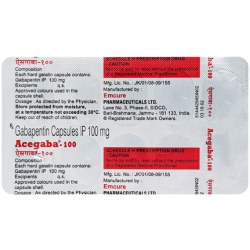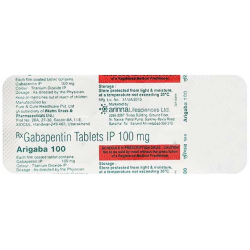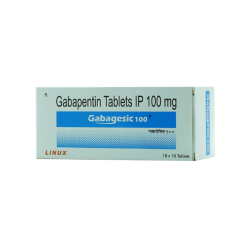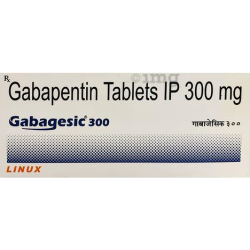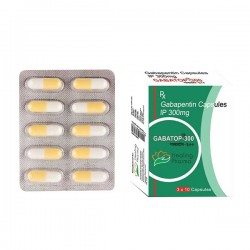
Gabapentin 600 mg
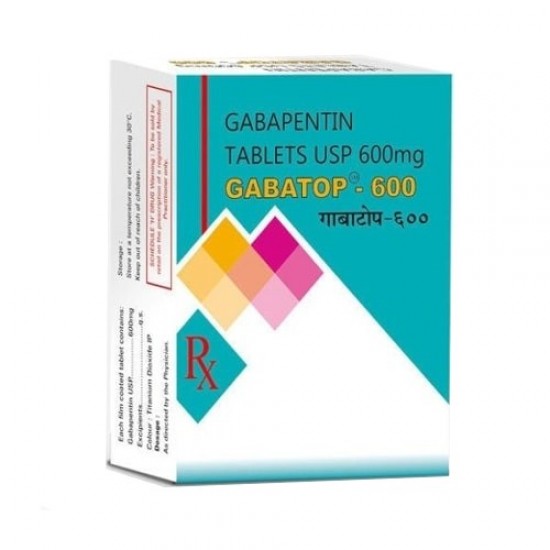
- Stock: In Stock
- Brand: Healing Pharma
- Model: Gabapentin 600mg
- SKU: GBPTN600mg
- Active Ingredient: Gabapentin
- Treatment: Pain Releif
- Alcohol: Don't Drink
Available Options
What is Gabapentin 600 mg?
The class of medications known as antiepileptics includes Gabapentin 600 mg tablets. Gabapentin is a prescription drug used to control certain types of seizures. It comes in capsule, tablet, and liquid forms.
Uses of Gabapentin 600mg
Neuropathic pain—The drug Gabapentin 600 mg is used to treat neuropathic pain, which is pain brought on by nerve damage as a result of illnesses like diabetes, shingles (herpes zoster infection), spinal cord injury, etc.
Treatment of epilepsy—The drug works by altering the electrical activity in the brain. It does this by inhibiting the voltage-gated calcium channels and decreasing the release of excitatory neurotransmitters; these actions prevent fits or seizures.
For primary restless leg syndrome - Gabapentin may be effective for treating restless leg syndrome by slowing or blocking the transmission of pain signals from nerves in the legs to the brain.
Dosage of Gabapentin 600 mg:
Epilepsy dosage
The typical dosage for
1. Adults and older kids (over the age of 12) should take 900 mg to 3,600 mg three times a day.
2. Younger kids (between the ages of 6 and 12) vary based on weight.
Dose for nerve pain
Adults typically take 900 mg to 3,600 mg per day, divided into three doses, to alleviate nerve pain.
How to take Gabapentin 600 mg?
When taking a Gabapentin 600 mg tablet or capsule, sip some water or juice first.
Never chew Gabapentin 600 mg tablets.
It is better to take Gabapentin medication every day, whether you have had your meal yet or not.
Consider equally distributing your doses throughout the day. For instance, you could take one tablet of Gabapentin 600 mg pill in the morning, late in the day, or before bedtime.
You or your child will receive a plastic syringe or spoon to measure the dosage if you are taking a liquid.
Side effects of gabapentin 600mg
Certain potential side effects often do not require medical treatment. During therapy, these side effects could fade away as your body gets used to the medication. If any of the mentioned side effects persist or are troublesome, or if you have any worries about them, speak with your doctor.
Commonly Reported:
Feeling drowsy, exhausted, or lightheaded
Feeling nauseous
Becoming ill
Vomiting
Diarrhea
Mood shifts
Enlarged arms and legs
Distorted vision
Mouth ache
Having trouble getting an erection
Gaining weight
Memory issues
Headaches
Being infected more frequently than usual
What are the possible drug interactions with gabapentin?
Here are the possible drug interactions with Gabapentin in bullet points:
Antacids (containing aluminum or magnesium) – may reduce Gabapentin absorption; take Gabapentin at least 2 hours after an antacid.
Opioid painkillers can increase drowsiness, dizziness, or breathing difficulties.
Sedatives or sleep medicines (e.g., benzodiazepines) – may intensify drowsiness and fatigue.
Other anticonvulsants may require dose adjustments when combined with Gabapentin.
Alcohol can worsen drowsiness, dizziness, and coordination problems.
Herbal supplements or other OTC medications – may interact; always inform your doctor or pharmacist.
Gabapentin 600 mg discontinuation guidelines:
Do not stop abruptly – sudden discontinuation can cause withdrawal symptoms or return of nerve pain/seizures.
Taper gradually – reduce the dose over 1–2 weeks or as directed by your doctor.
Monitor symptoms – watch for increased pain, tingling, anxiety, insomnia, or seizure recurrence.
Report severe symptoms – contact your doctor immediately if withdrawal symptoms are severe.
Follow-up care – attend regular check-ups to adjust tapering or explore alternative therapies.
Never self-adjust the dose – always follow your healthcare provider’s instructions.
Unpleasant symptoms associated with this include
Anxiety,
Difficulty sleeping,
Being ill,
Hurting,
Sweating.
By gradually lowering the dosage of gabapentin, withdrawal seizures and other symptoms can be avoided.
FAQ
Q1: What is Gabapentin 600mg used for?
A: It is used to relieve nerve pain, post-surgery nerve pain, shingles pain, and as add-on therapy for partial seizures.
Q2: How should I take Gabapentin 600mg?
A: Take orally with water, with or without food, as prescribed by your doctor.
Q3: Can I stop Gabapentin 600mg suddenly?
A: No, always taper the dose gradually under a doctor’s supervision to avoid withdrawal symptoms.
Q4: What are common side effects?
A: Dizziness, drowsiness, fatigue, and mild swelling are common side effects.
Q5: Can Gabapentin 600mg interact with other drugs?
A: Yes, it can interact with antacids, opioids, sedatives, other anticonvulsants, and alcohol.