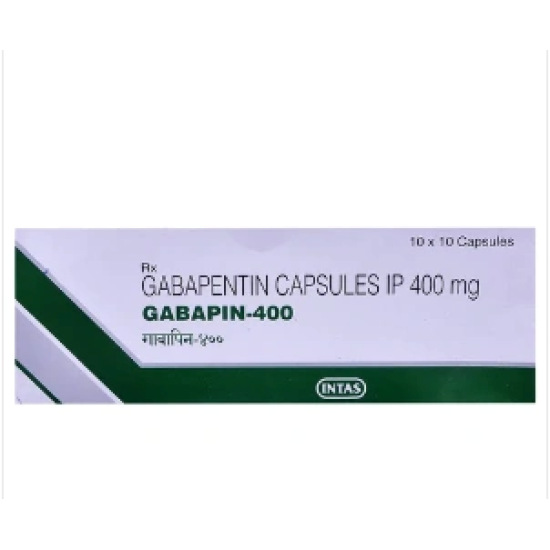
Gabapin 400 Mg
- Stock: In Stock
- Brand: Intas Pharmaceuticals Ltd
- Model: Gabapin 400 Mg
- SKU: GBPN400
- Active Ingredient: Gabapentin
- Treatment: Nerve Pain
- Alcohol: Don't Drink
Available Options
Introduction and Drug Identity
A. What is Gabapentin/Gabapin?
Definition: Gabapentin is a drug that helps with seizures and epilepsy, often called an AED. This med helps people manage their seizures and eases up on the nerve pain, so it's got two jobs
Mechanism of action: The therapeutic effect of the drug is based on its affinity to bind the alpha-2-delta subunit of the voltage-gated calcium channels of the central nervous system (CNS). This act suppresses and limits the leakage of excitatory neurotransmitters, which in essence inhibits the nerve hyper-excitability, causing the transmission of chronic pain and propagation of seizures.
Regulatory Status: Summary of its clinical approval in the largest regulatory authorities, including the USA Food and Drug Administration (FDA) and the Central Drugs Standard Control Organisation (CDSCO) in India, regarding its world recognition in major indications.
B. Product Forms and Identification
Focus on strength: gabapin 400 mg, which is a likely, effective dose used in the maintenance phase of therapy or in the controlled, rapid dose titration phase.
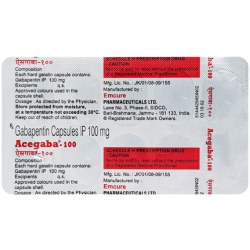
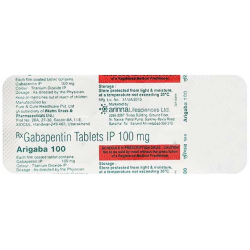
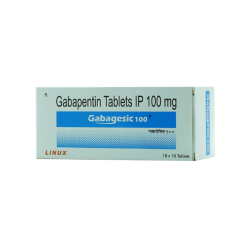
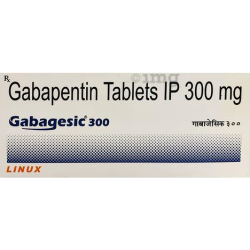
Forms: The most common version is the gabapin 400mg cap (Capsule). It can also be produced in the form of a compressed gabapentin tablet of 400mg, or simply known as a gabapentin 400 mg pill.
Identification: Elaboration of the dosage unit. This consists of the usual colour (usually white or yellow/orange), shape (oval or elliptical in the case of tablets, and cylindrical in the case of capsules), and the identifying markings or codes engraved on the pill surface (e.g., Neruda codes, manufacturer logos, the dosage number) that are vital to identifying a patient safely.
Release Type: Diversification between immediate-release (IR) Gabapentin (similar to regular Gabapin) and controlled/extended-release (ER) preparations, with special focus on the fact that the former may be administered a few times per day.
C. Brand vs. Generic
In certain markets, the generic drug gabapentin 400mg is known as Gabapin.
Reference to other globally known brand names (e.g., Neurontin, Gralise, Neurotin) to help users who might be travelling or label-comparing.
Commentary on the clinical and economic advantages of the application of generic substitution compared to the use of the originator brand.
Medical Uses and Indications
A. Primary Approved Uses
Epilepsy/Seizures: Adjunct therapy (when applied with other medications) is a treatment for partial (focal onset) seizures in both adults and children older than 12 years. It's not typically the first choice for treatment on its own (rarely)
Chronic Nerve Pain: Gabapentin 400 mg for pain. Its greatest indication is in the treatment of post-herpetic neuralgia (PHN), a chronic, usually disabling, and nerve pain that persists following an episode of shingles. Describe the nature of PHN pain: burning, shooting, or electric shock.
Diabetic Neuropathy: It's a well-established application in the treatment of the peripheral neuropathy of diabetes, in which individuals complain of chronic tingling, numbness, and burning pain, which is usually most severe in the feet and legs.
B. Uses of the Combination Drug (Gabapin NT)
Indications of gabapin nt 400 mg to be used (Gabapentin 400 mg + Nortriptyline 10 mg). The combination of this fixed dose is usually used in patients with non-responsive or partially responsive neuropathic pain as monotherapy.
Nortriptyline's role: Nortriptyline is a low-dose tricyclic antidepressant (TCA), which has a synergistic effect with Gabapentin by inhibiting norepinephrine and serotonin uptake, much more effectively reducing pain via other central systems. Its effectiveness depends on the exact proportion of the active ingredient, i.e., gabapin nt 400 10 mg.
Targeting: It is used in combination with more complicated or mixed neuropathies, such as conditions such as central post-stroke pain, chronic headache of a particular kind, or fibromyalgia.
C. Off-Label Uses
Emotional Health: Gabapentin 400mg has become increasingly useful in treating anxiety (who have general anxiety disorder (GAD) and social anxiety, although the prescribers should not exceed the off-label use of this medication in anxiety disorders.
Other established uses: Symptomatic administration of Restless Legs Syndrome (RLS), prophylaxis (preventive) of migraine headaches, and detoxification care, such as the treatment of acute symptoms of Alcohol Withdrawal Syndrome (AWS).
Dosage and Administration
A. Dose Protocol and Titration
Starting Dose: The 400 mg strength is usually applied in the maintenance or dose escalation phase. The starting dosage is typically a low one (300 mg) to see how well one can tolerate it.
Titration Necessity: The dosage has to be gradually and carefully raised over several days or weeks. It is necessary to do this slow titration so that the CNS can get used to it and thus minimise extreme adverse reactions, especially dizziness and sedation. The dosage is usually split and given three times per day (TID), as the drug has a comparatively short half-life and predetermined absorption peculiarities.
B. Administration Guidelines
Individualisation: The number of times to take gabapentin 400 mg is highly dependent and entirely related to the indication (e.g., higher dosages of gabapentin are necessary in seizures, not in RLS) and the renal functioning of the patient. A medical professional strictly controls the dosage.
Missed dose protocol: Ask the patients to take the dose immediately. Nevertheless, when you are nearly at the next scheduled dose, the dose that has been missed should just be omitted altogether to avoid accidental dose compounding.
CRITICAL CAUTION: Strong caution of abrupt discontinuation or frequent withdrawal of the drug. Sudden discontinuation may produce serious withdrawal effects such as rebound pain, intense anxiety, and worst of all, precipitated status epilepticus (life-threatening prolonged seizures).
C. Special Population Adjustments
Elderly Patients: There are hardly any instances where dose modifications are not required. Elderly patients are extremely vulnerable to falls and sedation because of age-associated changes in renal function and susceptibility to CNS-depressant effects.
Renal Impairment: Patients with impaired kidney function need a dosage reduction. Physicians use specific dose-reduction tables that depend on calculated Glomerular Filtration rate (GFR) cutoffs to avoid the build-up of the drug to a toxic level.
Side Effects and Safety Profile
A. General Side Effects of Gabapentin
Common Reactions (CNS): Detailed discussion of primary side effects: dizziness, pronounced drowsiness/somnolence, ataxia (a significant lack of coordination or clumsiness), and fatigue. Patients must be explicitly warned to avoid driving or operating heavy machinery until they understand the full impact of the medication.
Other Effects: Potential for modest weight gain, peripheral oedema (swelling of the extremities), and higher reported rates of viral infections. Other symptoms include dry mouth, nausea, and, occasionally, skin rash.
B. Side Effects of Combination Drug (Gabapin NT)
Nortriptyline-Specific Effects: The anticholinergic side effects brought by the TCA component, including deep-seated dry mouth, trouble urinating (urinary retention), blurred or impaired vision, and chronic constipation, are explained in detail.
Brand and Cardiac Warnings: Specific brand formulations' warning is also provided, including a warning on NERUDA gabapentin 400 mg side effects to address regulatory differences on labelling. Importantly, Nortriptyline carries some cardiac risks. Heart rhythm should be monitored with an ECG due to the risk of QT interval prolongation, especially in people with heart disease.
C. Misuse and Withdrawal Risk
Concern: Gabapentin 400 mg high. Acknowledge the abuse potential, with frequent misuse to obtain euphoria and sedation effects. Describe the symptoms of tolerance, dependence, and drug-seeking behaviour.
Withdrawal Management: Repeat the importance of a slow withdrawal; mistakes should be avoided. Emphasise that these symptoms of withdrawal can also be accompanied by insomnia, headache, GI upset, increased seizure frequency and life-threatening worsening anxiety/agitation.
Drug Interactions, Storage, and Safety Notes
A. Drug Interactions
Opioids (e.g., Morphine): The risk of severe respiratory depression, profound sedation, coma, or even death is significantly higher when these drugs are used together. This combination is highly scrutinised.
Antacids (Aluminium/Magnesium): These substances inhibit the absorption of Gabapentin; thereby decreasing its bioavailability and efficacy. It needs to be at least 2 hours apart in the dosage.
CNS Depressants (e.g., alcohol, benzodiazepines): Any depressant of the central nervous system will make Gabapentin’s effects on sedation immense and dangerous in terms of causing accidents or functional impairment.
B. Storage and Doctor Contact
Storage: Stability of gabapin 400mg: The product should be stored in a tightly closed container at room temperature. Keep it away from heat, moisture, and light.
Contact Doctor Immediately: Guidance: if you’re still in any doubt that the following are "red flag" symptoms which require immediate medical attention:
Signs of Drug Reaction with Eosinophilia and Systemic Symptoms (DRESS), including fever, general feeling of being unwell, swollen lymph nodes or rash.
Acute or subacute changes in affect, mood swings, depression and suicidal thoughts or depression (possessing a known risk for AED) .
Unexplained or worsening muscle pain, weakness or rhabdomyolysis.
A sudden and severe increase in drowsiness, dizziness, or uncontrollable unsteadiness.