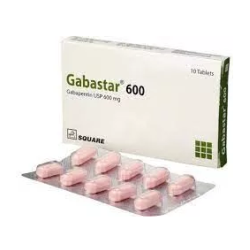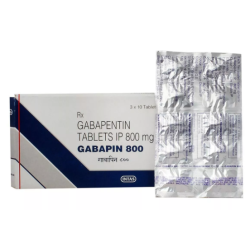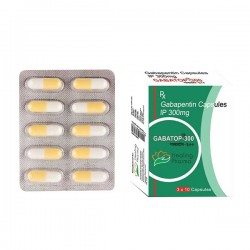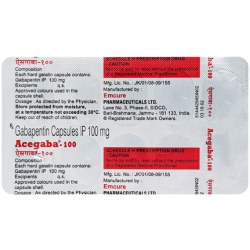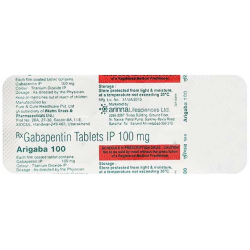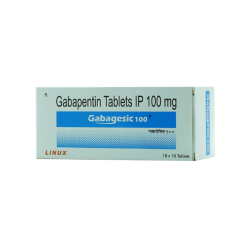
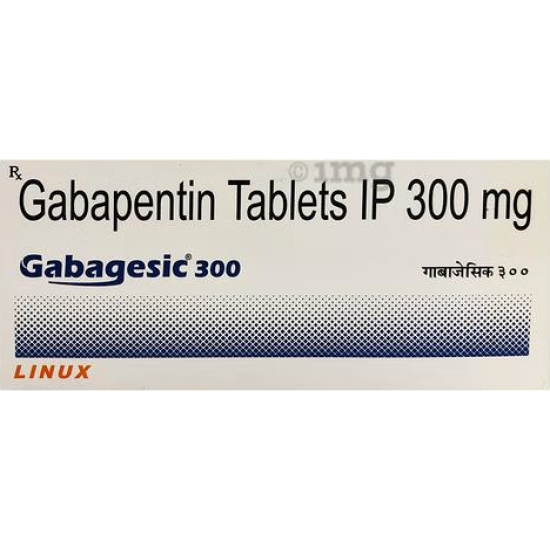
Gabagesic 300 Mg Tablet
- Stock: In Stock
- Model: Gabagesic 300 Mg Tablet
- SKU: GBGSC300
- Active Ingredient: Gabapentin
- Treatment: Nerve Pain
- Alcohol: Don't Drink
Available Options
Introduction
Gabagesic 300 mg is a prescription medication used to treat nerve-related conditions such as neuropathic pain, restless legs syndrome, and partial seizures. Its active ingredient, Gabapentin, works by calming overactive nerve signals in the brain, which helps reduce pain and prevent seizures. This medicine plays an important role in improving the quality of life for individuals suffering from chronic nerve disorders.
What is Gabagesic 300 Mg Tablet?
People with a prescription can take gabagesic 300 mg tablets to help with nerve pain, partial seizures, and conditions like restless legs syndrome. Gabapentin is in it, and it works by stopping nerve messages in the brain from being too active. This action helps ease pain and keep seizures from happening. As a sedative and nerve pain medicine, gabagesic 300 mg fits into this group. It has some of the same treatment benefits as other Gabapentin-based brands, like Neurontin and Gralise, but the way it is made or when it is released may be different. Gabapentin is very important for keeping the nervous system's electrical activity stable, which is why it can help with both epilepsy and long-term nerve pain. Gabagesic 300 mg is usually well taken when it is used as directed by a physician.
How Does Gabagesic 300 Work?
- Mechanism of Action in the Body: Gabagesic 300 contains gabapentin, which mimics the structure of GABA (a calming brain chemical) but works differently. It forms a bond with calcium channels in nerve cells.
- Effects on Nerve Signals in the Brain: This action reduces the release of certain neurotransmitters involved in sending pain signals and causing seizures.
- Role in Calming Nerve Activity: By blocking excessive nerve firing, Gabagesic 300 helps calm overactive nerves that lead to neuropathic pain, seizures, or anxiety symptoms.
- Prevention of Seizures and Pain Relief: Gabagesic 300 stabilizes nerve activity, making it effective in preventing partial seizures and easing nerve-related discomfort.
Medical Uses of Gabagesic 300 Mg
- Treatment of Neuropathic Pain: Gabagesic 300 mg helps reduce nerve pain caused by conditions like diabetes or spinal injuries by calming overactive nerve signals.
- Management of Partial Seizures: Doctors prescribe it as part of a combination therapy to control partial seizures in epilepsy.
- Relief in Postherpetic Neuralgia: It eases lingering nerve pain after a shingles infection, improving sleep and comfort.
- Use in Restless Legs Syndrome (RLS): It reduces the urge to move the legs, especially at night, promoting better rest.
- Preferred Dose: Gabagesic 300 mg is often chosen over higher doses for better tolerance, gradual dose escalation, and fewer side effects.
Gabagesic 300 Mg vs Other Brands (Gralise, Neurontin)
| Feature | Gabagesic 300 | Gralise | Neurontin |
| Active Ingredient | Gabapentin | Gabapentin | Gabapentin |
| Formulation | Immediate-release | Extended-release | Immediate-release |
| Dosing Frequency | 2–3 times daily | Once daily | 2–3 times daily |
| Best For | Fast pain relief | Long-term management | Seizures & nerve pain |
| Food Dependency | No | Should be taken with food | Not food dependent |
Gabagesic 300 Mg Dosage Instructions
- Standard Dosage Instructions: Doctors usually prescribe Gabagesic 300 mg once or twice daily, depending on the medical condition. Always follow your doctor's exact dosage.
- Dosage Adjustments: The dose may change based on your age, medical condition, or kidney function. Older adults or those with kidney issues may need a lower dose.
- Changing the Dosage: Never change the dose on your own. Your doctor may increase or reduce it slowly to prevent side effects or withdrawal symptoms.
- When to Take It: Take Gabagesic 300 mg with or without food. Try to take it at the same time each day to maintain steady levels in the body.
Side Effects of Gabagesic 300 Mg
Common Side Effects
- Drowsiness
- Dizziness
- Fatigue
- Swelling in hands/feet
- Unsteady walking
- Nausea or vomiting
- Tremors
- Blurred vision
- Weight gain
Serious (but rare) Side Effects
- Mood swings
- Difficulty breathing
- Allergic reactions
- Memory problems
- Trouble concentrating
Seek immediate help if serious symptoms appear.
Gabbagesic 300 Precautions and Warnings
- Avoid Use in Allergic Individuals: Do not take Gabagesic 300 if you are allergic to gabapentin or similar drugs. Report any rash, swelling, or breathing issues immediately.
- Drug and Alcohol Interactions: Avoid combining Gabagesic 300 with alcohol, sedatives, or opioids. These combinations may increase dizziness, drowsiness, or breathing problems.
- Use in Pregnancy and Breastfeeding: Pregnant or breastfeeding individuals must consult a doctor before using Gabagesic 300. Unmonitored, it could have an impact on the health of the infant.
- Caution in Elderly Patients: Seniors should use this medicine carefully, as they are more prone to side effects like confusion, unsteadiness, or falls. Dose adjustment may be necessary.
Managing and Storage Gabagesic 300 mg Tablets Instructions
Storage
- Keep at room temperature (20°C to 25°C)
- Avoid moisture, direct sunlight, and heat
- Keep out of reach of children
Shelf Life and Disposal
- Check the expiration date
- Do not use expired tablets
- Dispose of unused medicine properly or use a local pharmacy take-back program
Final Thoughts
Gabapentin is useful for treating neuropathic pain, RLS, and even partial seizures, with the dosage being 300 mg. By calming nerves that are working excessively, it is able to reduce pain, improve sleep, and also prevent seizures. It has comparable advantages to Gralise and Neurontin, though it has its own dosing and absorption characteristics.
Checking with a healthcare professional is essential to selecting a medication and dose that best fits your clinical requirements.
Some of the most frequently asked queries (FAQs)
1. Can I take Gabagesic 300 with other painkillers?
It is possible to take Gabagesic 300 with some painkillers, but you should talk to your doctor first to make sure there won't be any problems or conflicts.
2. Is it safe to take Gabagesic 300 mg for a long time?
If you are taking gabagesic 300 mg under the care of a doctor, it can be safe to use for a long time. You need to see your doctor regularly to see how you're responding and to change the dose if necessary.
3. What's the difference between Gabagesic 300, Neurontin, and Gralise?
Gabapentin is the main ingredient in all three. Gabagesic 300 is a brand name drug, while Gralise and Neurontin are brand names. They might have different ingredients, dose forms, and ways of releasing the medicine.
4. How long does it take for Gabagesic 300 mg to begin working?
Gabagesic 300 mg usually starts to work in a few hours, but it could take up to a few days to feel its full effects, especially when used to treat nerve-related problems.