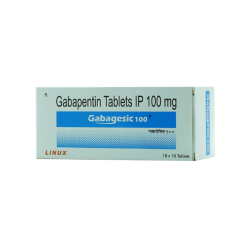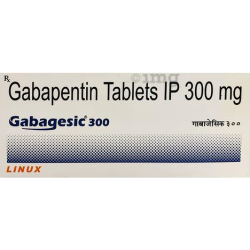
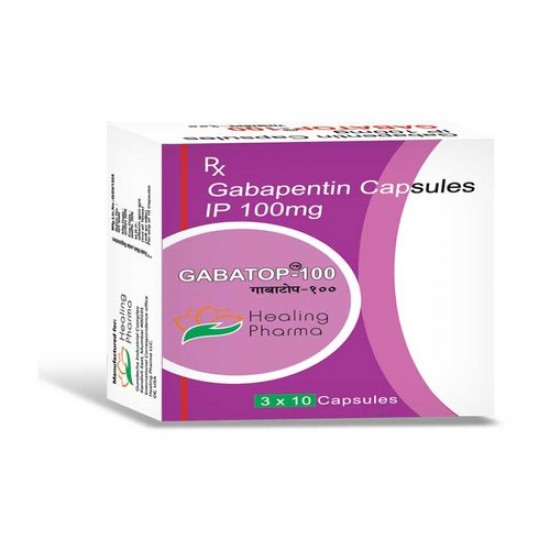
Gabapentin 100mg
- Stock: In Stock
- Brand: Healing Pharma
- Model: Gabapentin 100mg
- SKU: GBPTN100mg
- Active Ingredient: Gabapentin
- Treatment: Pain Releif
- Alcohol: Don't Drink
What is Gabapentin 100mg?
Gabapentin 100mg is a prescription medication used to manage nerve pain, control partial seizures, and treat other neurological conditions. It belongs to a class of drugs called anticonvulsants, which calm overactive nerves in the brain and spinal cord.
This lower dose is often prescribed for patients who are starting treatment or are sensitive to medications.
Quick Overview:
| Product Name | Gabapentin 100mg |
| Ingredient | Gabapentin |
| Drugs Class | Anticonvulsants |
| Time to Work | 15-30 Minutes |
| Manufacturer | Healing Pharma |
| Used for | Surgery After Pain, Epilepsy |
| Price Range | $(65-149) |
| Weight | 100mg |
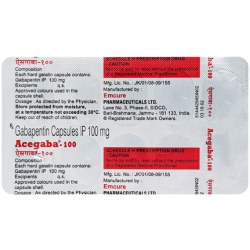
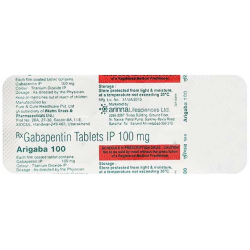
| Packaging | 1 Strip (10 Tablets) |
| Available | Buyrxsafe.com |
Uses of Gabapentin 100mg
Gabapentin 100mg is used for several medical conditions:
1. Partial Seizures
- It helps prevent and control partial seizures, either alone or combined with other antiepileptic medications.
2. Nerve Pain
- Gabapentin effectively relieves nerve pain caused by:
- Postherpetic neuralgia (pain after shingles)
- Diabetic neuropathy
- Other nerve-related disorders
3. Restless Legs Syndrome (RLS)
- Gabapentin may reduce uncomfortable sensations and the urge to move your legs, improving sleep quality in patients with restless legs syndrome.
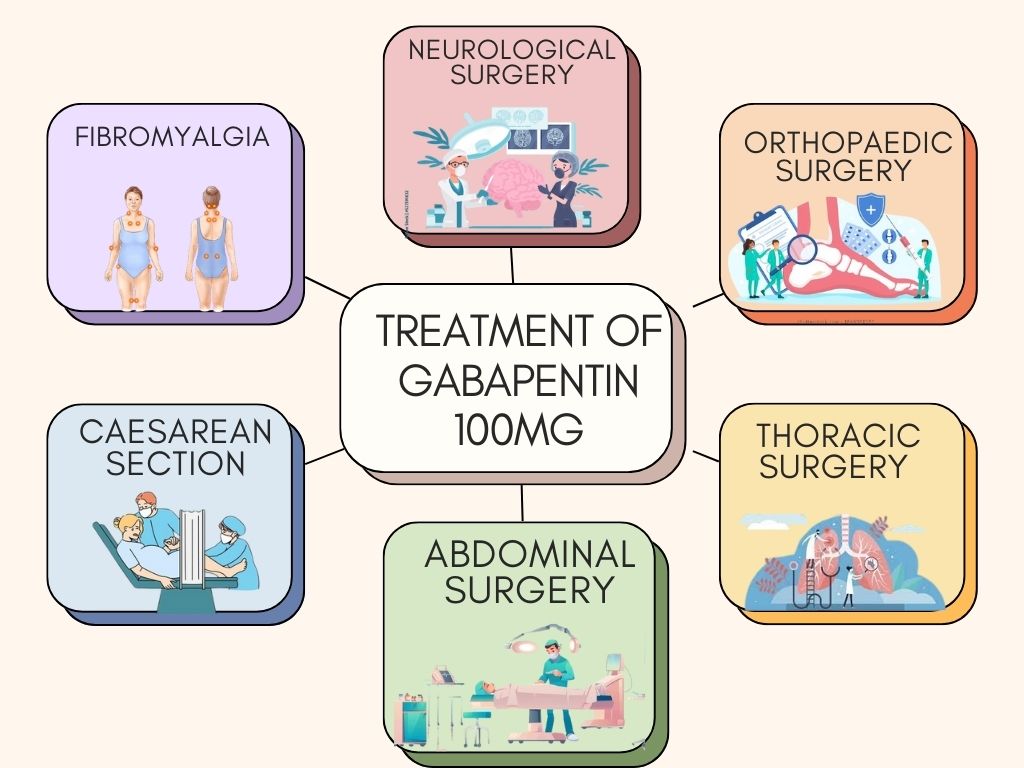
4. Post-Surgery Pain
Gabapentin helps manage post-operative nerve pain by reducing overactive nerve signals. It is commonly used after:
- Orthopaedic surgery (knee and hip replacements)
- Abdominal surgery (hysterectomy, cholecystectomy)
- Thoracic surgery (lung procedures)
- Neurological surgery (brain and spinal cord)
- Caesarean sections
5. Off-Label Uses
- Some doctors prescribe Gabapentin for anxiety, insomnia, or other mood-related conditions.
How Gabapentin Works & Effects
Gabapentin works by modulating neurotransmitters, especially glutamate, which is involved in nerve signalling. This helps:
- Reduce nerve pain
- Prevent partial seizures
- Improve sleep in restless legs syndrome
Effects of Gabapentin may include drowsiness, dizziness, and mild gastrointestinal symptoms. While rare, serious effects like respiratory depression can occur, especially if combined with opioids or alcohol.
Dosage and Administration
Dose: Determined by your doctor or healthcare provider, depending on the condition.
Administration: Take orally, with or without food, using a full glass of water.
Timing: Space doses evenly throughout the day if prescribed multiple times.
Duration: Continue taking Gabapentin as recommended; do not stop suddenly.
Quick Tips:
- Take a Gabapentin 100 Tablets at the same time every day, preferably before bed, to avoid feeling dizzy or drowsy during the day.
- Don't use antacids within 2 hours before or after taking the tablet because they can affect how well the medicine works.
- Be careful, as the medicine might make you feel sleepy. Avoid driving or doing tasks that need focus until you know how it affects you.
- If you notice any unusual changes in your mood or behaviour, feel more depressed, or have thoughts of hurting yourself, tell your doctor.
- Don't stop taking the Gabapentin 100 Tablets suddenly without talking to your doctor, as it could increase your risk of having seizures.
Gabapentin 100mg Side Effects
Like any medication, Gabapentin 100mg may have side effects, though not everyone experiences them. Common side effects include:
- Dizziness
- Drowsiness
- Headache
- Fatigue
- Nausea
- Vomiting
- Diarrhea
- Constipation
- Dry mouth
- Blurred vision
- Tremor
- Increased appetite
- Weight gain
How to Use?
Properly using Gabapentin 100mg is crucial for achieving the desired therapeutic effects. Here are some general guidelines:
- Dosage: The dosage of Gabapentin varies depending on the condition being treated. It's important to follow your healthcare provider's prescribed dose.
- Administration: Gabapentin can be taken with or without food. It's typically taken orally, with a full glass of water.
- Timing: For individuals taking it multiple times a day, evenly space out the doses to maintain consistent medication levels in your system.
- Duration: Continue taking Gabapentin as long as your healthcare provider recommends, even if your symptoms improve. Do not stop taking it without consulting your healthcare provider.
How Does the Drug Work?
Gabapentin works by affecting certain neurotransmitters in the brain. It primarily targets the release of glutamate, an excitatory neurotransmitter, which is believed to play a role in developing nerve-related pain and seizures. By modulating glutamate levels, Gabapentin helps reduce excessive nerve firing and alleviate associated symptoms.
Safety Advice During Gabapentin Use
1. Avoid Alcohol
Gabapentin is more likely to make a person feel drowsy and dizzy, or even cause them to have trouble breathing if it’s used with alcohol. Alcohol is off limits to prevent complications.
2. No patients had the Operation of Heavy Machinery or Driving.
Gabapentin can cause drowsiness, slowed reaction and blurred vision. If you are feeling drowsy or experiencing blurred vision, do not drive or operate a machine until you know that this medicine does not affect your ability to concentrate on these activities.
3. Do not alter the time of day that you take your Drugs.
Consistency is also key with gabapentin since it relies on the level of the medication in your body to be steady in order to work the best.
Abrupt discontinuation of gabapentin can lead to withdrawal syndrome or seizures. And it should never be stopped suddenly if under medical monitoring.
5. Inform your Doctor of all Medications you are taking.
This is particularly necessary in case you use:
Opioids
- Sleeping pills
- Anti-anxiety medications
- Antihistamines
- Muscle relaxants
Storage and Disposal
Proper storage and disposal of Gabapentin 100mg are important for maintaining its effectiveness and preventing misuse. Here's what you need to know:
- Store this medicine below 30°C protected from light.
- Keep it out of the reach of children and pets.
Gabapentin 100mg dosage
Overdose
If you take too much of this medicine, you might notice problems like double vision, slurred speech, feeling extra sleepy, being really lazy, or having diarrhoea. If any of these things happen, talk to your doctor or go to the nearest hospital.
Missed a Dose
If you forget to take a dose of this medicine, take it when you remember, but if it's almost time for your next dose, just skip the missed one and stick to your usual schedule. Don't take two doses at once to make up for the one you missed.
Interaction with Drugs
Gabapentin may interact with other medications, potentially affecting their effectiveness or leading to adverse reactions. Some common drug interactions include:
- Antacids: Some antacids can reduce the absorption of Gabapentin.
- Morphine: Co-administration of Gabapentin and morphine may increase the sedative effects of both drugs.
- Alcohol: Avoid alcohol while taking Gabapentin, as it can enhance drowsiness and dizziness.
- Opioids: Combining Gabapentin with opioids can increase the risk of respiratory depression.
Always discuss your current medications with your healthcare provider to ensure no harmful interactions.
FAQs
1. What is 100mg of Gabapentin used for?
Ans:- 100mg gabapentin is used to prevent and control partial seizures, relieve nerve pain after shingles, and treat restless legs syndrome.
2. What happens if I take Gabapentin 100mg?
Ans:- If you take gabapentin 100mg, you may experience side effects such as drowsiness, dizziness, and blurred vision.
3. Is Gabapentin 100 mg a painkiller?
Ans:- Gabapentin is not a painkiller in the traditional sense, but it can relieve nerve pain.
4. What is the best time to take Gabapentin?
Ans:- The best time to take gabapentin is at night, which can cause drowsiness. However, depending on your condition, your doctor may recommend a different dosing schedule.